



“ZERO TO THREE’s HealthySteps program provides early childhood development support to families where they are most likely to access it – the pediatric primary care office”
Join Jennifer Goodman for a 30 minutes to connect with mother moms and ask questions, meet mothers and find connection. Registration is required to participate. Wednesdays 8:30-9am or Thursdays 12:30-1pm

Healthy Steps Overview
-
The early years are important to all of us – the capacities and skills developed during this critical period become the basis of a prosperous society. HealthySteps Specialists identify whether children are reaching developmental milestones, help connect families to additional services, and answer families’ questions about child development and well-being so all babies and toddlers have a strong start in life.
-
Almost all families take their babies to see a pediatric primary care provider. New parents and caregivers attend 12-13 well-child visits in a child’s first three years—that’s at least 12 opportunities to change a child’s future.
No other system has the same consistent and positive connections to families and their young children or stands to make the kind of broad-scale influence on our collective prosperity.
We focus on the pediatric primary care practices that serve the 7 million babies and toddlers in families with low incomes with Medicaid, the Children’s Health Insurance Plan (CHIP), or without insurance.
By partnering with pediatric primary care, we bring focus to the key social, emotional, and cognitive skills important to healthy development. In strengthening these areas for young children, we strengthen our communities.
-
Item descriptionRecent scientific developments in understanding early brain and biological development tell us that the early years are important to all of us – the capacities and skills developed during this critical period become the basis of a prosperous society. The innovative approach of HealthySteps is designed based on scientific understandings of how early childhood development works and how it might be best supported.
HealthySteps improves child health and well-being by supporting perceptual, motor and physical development, strengthening early social-emotional development, and promoting timely and continued care.
HealthySteps improves family health and supports a child’s early learning and overall well-being.
HealthySteps supports pediatric primary care practices to improve their patients’ experience and provider satisfaction while lowering health care costs.
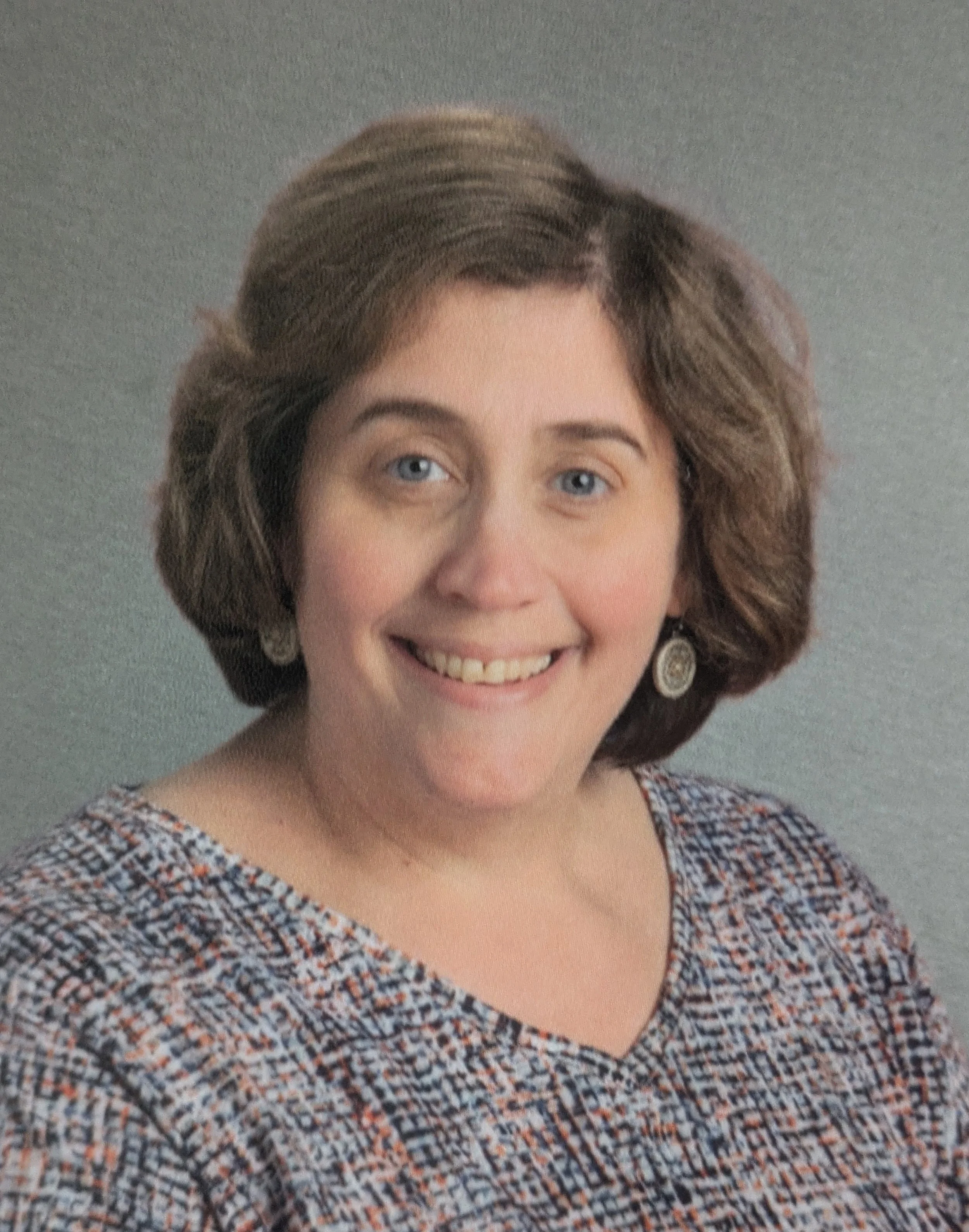
Jennifer Goodman LCPC
Healthy Steps Specialist
-
Jennifer Goodman graduated with a Master’s degree from Johns Hopkins University in 2004. She started her career as a Baltimore County school counselor for 14 years, then transitioned to a school-based therapist for The Children’s Guild. Jennifer earned her LCPC in 2016 and opened a small, private practice in 2023, Discovery Counseling Services LLC. Jennifer is a supervisor for the state of Maryland for licensed graduate professional counselors. Jennifer has 20 years of experience serving, kids, teens, young adults, adults and families. Jennifer and her family moved to the Eastern Shore in 2020 and enjoy the shore life. Jennifer is married for 20 years to a nurse and has two sons. In her spare time, Jennifer loves to take crafting classes, play bunco and travel.
-
The HealthySteps Specialist, a child development and behavioral health promotion and prevention expert, joins the team to promote nurturing parenting, which improves babies’ and toddlers’ healthy development and well-being where they are most likely to be – the pediatric primary care office. Together with cutting-edge pediatric primary care practices, we prepare young children for school and life.

Core Components (Services)
-
All families in the practice with children ages 0-3 receive universal services, including screenings for development, family needs including social determinants of health, and access to a family support line.
HealthySteps practices use frequent screenings to help identify whether children are reaching developmental milestones, so they can address challenges early and prevent others from ever occurring in the first place
Core Component 1: HS practices routinely monitor and screen all children age 0-3 for physical, cognitive, language, social-emotional, developmental, and behavioral concerns on a recommended screening schedule. We recommend a screening schedule fulfilling the American Academy of Pediatrics’ (AAP) latest Bright Futures guidelines. Sites may adjust this schedule to fit their needs if they comply with the National Office fidelity metrics. In addition to flagging possible concerns, screenings identify potential referrals to the HS Specialist and serve as an entry to communicate with families about their child. HS Specialists are not solely responsible for implementing universal screenings but collaborate with practice staff in developing workflows, monitoring compliance, and quality improvement.
Core Component 2: HS practices routinely monitor and screen all families with children ages 0-3 for important family needs annually. At a minimum, this includes maternal depression, food insecurity, housing instability or homelessness, utility needs, transportation needs, interpersonal safety (e.g., domestic violence, interpersonal violence, community violence, etc.), substance misuse (alcohol and other drugs), and tobacco use. We provide a questionnaire to assess these various needs, but sites may choose to use other tools that cover these key areas of need. Results alert the HS Specialist and practice staff to make essential referrals and may be used to educate caregivers on how their life experiences impact their child’s development and their caregiving.
Core Component 3: HS practices offer access to the HS Specialist to address non-urgent, non-medical questions on a variety of topics such as child development, parenting, and behavior. Sites may inform caregivers of this resource in various ways including posting flyers in the waiting and exam rooms. Support line inquiries may lead to referrals to resources in the community or consultations with the HS Specialist as needed. In response to recent research indicating that millennial parents prefer more modern forms of communication, sites may provide a broad range of HIPAA-compliant tools for parents to communicate with the HS Specialist including phone calls, video chat, websites, patient portals, email, text messaging, and/or smartphone apps.
-
For families with specific, time-limited concerns, in addition to Tier 1 services, HS Specialists provide mental health consults, in-house support, and make referrals to resources and programs in the community to strengthen the quality of relationships and environments that support healthy growth—and they follow up to make sure families are supported.
Core Component 4: HS Specialists provide short-term consultations (approximately 1-3 visits) to families to address specific concerns about a child’s development and/or behavior or a parental concern (e.g., depression, substance misuse). When possible, a provider may bring the HS Specialist into the exam room during the appointment to address concerns immediately or to facilitate a “warm handoff” where the HS Specialist can briefly meet the family, assess the severity of their concerns, and schedule a follow-up appointment. Based on needs or risks identified during a consultation, the HS Specialist may also recommend a family participate in Tier 3—Comprehensive Services—moving forward.
Core Component 5: HS Specialists refer patients, parents, and families to both in-house and community resources based on identified needs. HS Specialists partner with community resource providers and families to help parents coordinate and navigate complex systems, offering close follow-up and support when referral barriers occur. HS care coordination empowers families by enhancing their health literacy and systems navigation capabilities, so they become their child and family’s own best advocates.
Core Component 6: HS Specialists provide parents with guidance, education, information, and resources that help them support their children through the different stages of development. This includes: regular, tailored anticipatory guidance that helps parents better understand their child’s current and expected developmental progress and behavior; timely discussions and partnering/problem solving about common parenting challenges such as safety, feeding, discipline, and limit setting; teaching and encouraging parents to provide positive, responsive caregiving, reflecting on their parenting style and observable strengths; helping parents build strong, healthy attachment relationships with their children; exploring family risk factors and buffers of toxic stress, including parental and caregiver self-care; helping parents understand their own history and how it impacts their parenting; and providing evidence-based, literacy level-appropriate and culturally attuned materials and resources, including handouts, websites, text messaging services, and apps.
Core Component 7: HealthySteps practices offer parents and families concrete strategies, activities, and tools designed to support their child’s early learning. Resources span a broad array of early learning subjects, such as language, literacy, science, technology, engineering, math, relationships, music, art, and social-emotional competence. They also include information about each subject, explain how and when children develop different learning skills and faculties and provide easy, low-cost activities parents can do at home to encourage early learning at every age.
-
Item For families with more significant risk factors and/or concerns, the HS Specialist and pediatric primary care provider jointly see the family at well-child visits. Families receiving Tier 3 services also receive Tiers 1 and 2 services.
Core Component 8: For families identified with significant risk factors (defined locally at the practice level, in consultation with the National Office), the HS Specialist provides support in the exam room prior to, during, and/or following a child’s routine health care maintenance visit. These visits are preventive and begin as early as possible, potentially at the newborn visit. Meeting with families when they are already at the practice for routine visits is convenient for parents and ensures seamless coordination of care between the HS Specialist and medical providers. The National Office requires that a HS Specialist is expected to participate in team-based well-child visits in-person, as an integrated member of the care team.
The HS team determines which families receive this comprehensive level of intervention. The HS Specialist is not limited to a patient’s routine appointments and may schedule additional visits as needed. If staffing allows, this component may be provided universally.